



GPS Group Dave Perry-Miller Real Estate, an Ebby Halliday company
Selling

Sell your home in Dallas

A straight explanation of every stage of a Texas sale, and a Realtor who reads each offer and contract term with you before you sign.

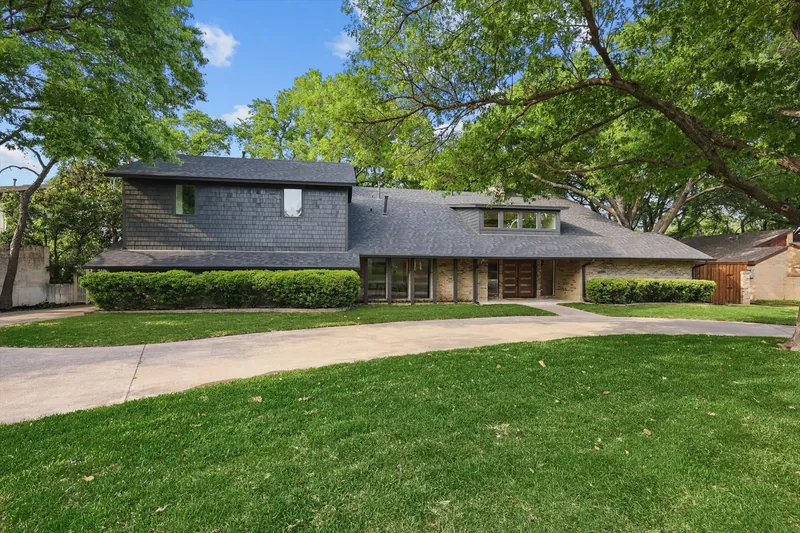
Dallas-area home, front exterior
In brief

The short answer

Selling a Dallas home runs in five stages: pricing, presentation, marketing, offers, and the contract period with the buyer's option period, appraisal and closing. How long it takes depends on price, condition and the buyer's financing, and the contract sets the closing date. Most of the money is decided in the offer and the option period. Andy Scott and the GPS Group compare offers on net proceeds and terms, not just price, and track every TREC deadline to closing.

  • 01Offers compared line by line
  • 02Every deadline tracked for you
  • 03Clear net proceeds before signing
How a sale works with Andy

Five stages, one person accountable

Each stage decides part of your price. Andy handles all five with you, from the first number to funding.

  1. Pricing strategy

    A price range from recent closed sales on your street and nearby, with your estimated net proceeds at different prices.

  2. Presentation

    What to repair, what to leave and how to stage and photograph the home, decided room by room.

  3. Marketing and reach

    The MLS, the Dave Perry-Miller agent network, and Luxury Portfolio, which shows DPM listings to visitors from more than 200 countries and territories.

  4. Offers and negotiation

    Every offer compared side by side on net proceeds, terms and risk. Andy negotiates price, option period, repairs and dates.

  5. Closing coordination

    Option, financing, appraisal, survey and title deadlines tracked with the buyer's agent and the title company through funding. Every Monday: a listing update email with a report on showings, feedback and the market.

What's in our listing marketing

  • Staging advice and help getting the house ready
  • Professional photos by Shoot2Sell, with a floor plan and a 3D virtual tour
  • Drone photos when the home and lot call for them
  • A walkthrough video and Reels
  • MLS, plus Coming Soon and Just Listed posts on Instagram and Facebook
  • An email blast to local agents
  • A printed brochure
  • Open houses
  • A listing update email with a report every Monday

Andy is simply the best! All together Andy and his team shepherded my wife and me through the purchase or sale of four separate properties with a level of professionalism, dedication and attention to details that are unmatched. Like I said, Andy's the best!

Tom R. · Testimonial Tree · May 2025
Client experience

5.0 from 23 testimonials collected by Testimonial Tree.

Read all testimonials
In depth

How long does it take to sell a house in Dallas?

It depends on three things: how the price compares with recent sales, the condition of the home, and how the buyer is paying. Time on the market varies by street, price range and season, so I pull the current numbers for your area rather than quote an average.

Once a buyer signs, the closing date is whatever the contract says. Buyers with a loan need time for the appraisal and underwriting, so their contracts run longer. Cash buyers can close sooner.

What happens after I list my house

  1. The listing goes live on the MLS and the search sites it feeds, and agents in the Dave Perry-Miller network hear about it.
  2. Buyers' agents schedule showings. You leave during them and get feedback afterward.
  3. Offers arrive on the TREC One to Four Family Residential Contract, and you accept, counter or decline.
  4. After signing, the buyer delivers earnest money and the option fee to the title company within three days.
  5. Inspection, option period, appraisal, title work, final walkthrough, then closing and funding.

Before any of this, a pricing review sets the starting point, and preparing the home decides how it shows.

Showings, feedback and when to change the price

There is no right number of showings to expect. What matters is the pattern. Steady showings with no offers usually point to price or condition. Few showings usually point to price, photos or access.

If a home gets no offers, the fix is one of four things: price, condition, presentation or access. I read the showing feedback with you, compare the home with what sold and what went under contract while it was listed, and recommend one clear change instead of several small ones.

Lower the price when the evidence says price is the objection: buyers see it and choose other homes, or a new comparable sale closes below your list price. A single, meaningful adjustment early usually does more than a series of small cuts later, because the buyers who passed need a reason to look again.

What showing feedback tells you

  • Comments about size, layout or location cannot be fixed. They are a price question.
  • Comments about condition, odor, clutter or dark rooms can be fixed, often quickly.
  • Second showings and requests for disclosures mean a buyer is serious, even before an offer.
  • Silence from agents usually means the home did not stand out against the others they showed that day.

If presentation is the issue, the steps on preparing and marketing a home apply at any point in a listing, not only before launch.

Offers and negotiation

A good offer is the one that nets you the most with the least risk of falling apart, which is not always the highest price. I compare every offer side by side on price, financing, earnest money, option period length and fee, appraisal terms, closing date, and any money the buyer asks you to contribute.

Seller concessions are money you agree to put toward the buyer's closing costs or repairs, paid from your proceeds at closing. They are part of the price conversation: a higher price with a large concession can net less than a lower clean offer.

With multiple offers, you can accept one, counter one, or ask everyone for their final terms by a set time. You can also accept a backup offer, which moves up if the first contract ends. When an offer arrives, call Andy and we will read it together.

From contract to closing in Texas

The buyer can cancel for any reason during the option period in the TREC contract, which is the number of days the two sides agree on in exchange for an option fee paid to you. That is when the inspection happens and when repair requests come in.

If the buyer is financing, the Third Party Financing Addendum covers loan approval and the lender's approval of the property, including the appraisal. The parties can also sign the TREC Addendum Concerning Right to Terminate Due to Lender's Appraisal, which sets in advance whether the buyer may walk away over a low appraisal. FHA and VA loans follow their own federal rules on appraisals.

At closing the title company collects the buyer's funds, pays off your mortgage and the costs of the sale, and sends you the rest. Texas closings usually fund the same day the documents are signed and the buyer's lender wires the loan.

What you deliver as the seller

  • The Seller's Disclosure Notice required for most homes by Texas Property Code section 5.008, ideally before the contract is signed
  • Your existing survey and a T-47 affidavit if nothing has changed, or a new survey if the contract requires one
  • HOA information so the title company can order the resale certificate
  • Mortgage details for the payoff, and anything the title search turns up, such as an old lien

Your agent and the title company keep the file moving, but the seller's documents are often what delays a closing. Having them ready before the listing goes live avoids that. If you are buying next, the same steps from the buyer's side are on buying a home.

How Andy and the GPS Group handle a sale

I spent years in corporate leadership and as a founding partner of a business software company before real estate, so I like a clear spreadsheet: every offer turned into an estimated net figure, every deadline on one calendar. Justin Reeves, Mynetta Ragsdale and I keep the buyer's agent, lender and title company moving so dates are met. Every Monday you get a listing update email with a report on showings, feedback and the market.

Timing your move is part of the negotiation. You can ask for a later closing, or stay after closing under the TREC Seller's Temporary Residential Lease for up to 90 days. If you are buying your next home too, see selling and buying at the same time.


Questions people ask

How many showings should I expect?

There is no standard number. It depends on price, location, condition and how easy the home is to show. The useful signal is whether showings turn into second visits and offers. If they do not, the feedback usually tells you why.

Should I accept the first offer on my house?

Only if it holds up against the market, and often it does. Early offers frequently come from buyers who have been watching for a home like yours. Compare it with recent sales and your net sheet before deciding, and counter if the terms need work.

Can I reject an offer that's too low?

Yes. You never have to accept an offer. You can decline it, let it expire or send a counteroffer. Countering a low offer often works better than ignoring it, because it keeps a willing buyer talking. Fair housing law still applies, so decisions must rest on the offer's terms.

What if someone offers cash for my house?

A cash offer removes the loan approval and usually the lender's appraisal, so it is often more certain and can close sooner. Ask for proof of funds, and remember a cash buyer typically still has an option period to inspect and cancel. Compare the cash price with your financed offers on net proceeds, not just speed.

What happens if a buyer backs out?

It depends on when and why. During the option period, or under a financing or appraisal right in the contract, the buyer can end the deal and usually gets the earnest money back. If the buyer simply defaults later, the TREC contract lets you either enforce the contract or end it and keep the earnest money.

Do I have to fix everything the inspector finds?

No. Inspection reports are a list for negotiation, not a list of obligations. You can agree to repairs, offer a price reduction or a credit, or decline, and the buyer can then cancel if the option period has not ended. Repairs a lender requires are a separate conversation.

Can I negotiate after accepting an offer?

Yes, but only by agreement. Any change to price, repairs or dates is written on a TREC amendment that both sides sign. Most renegotiation happens during the option period, after the inspection.

Who pays title fees when selling in Texas?

By custom in Texas, the seller pays for the owner's title policy and the buyer pays for the lender's policy, but the contract decides and it is negotiable. Title premiums are set by the Texas Department of Insurance. Escrow and closing fees are split as the contract says.

Can I sell my house if there's still a mortgage?

Yes, nearly every seller does. The title company orders a payoff statement from your lender and pays the loan off from the sale proceeds at closing. If you owe more than the home will sell for, you would need to bring money to closing or get your lender's approval for a short sale.

What if I need more time to move out?

Ask for it in the offer or counteroffer. You can set a later closing date, or close on time and stay under the TREC Seller's Temporary Residential Lease, which covers up to 90 days after closing. Longer stays need a standard residential lease and the buyer's agreement.

When do I get my money after closing?

Usually the day the sale funds, which in Texas is typically the same day you sign. The title company sends your proceeds by wire or check after the buyer's lender has funded and the payoffs are made. Confirm wiring instructions with the title company by phone, never from an email alone.

Andy Scott
From Andy

Whenever you are ready, start with a conversation.

Tell me what you are thinking about, even if the move is a year away. I'll give you a straight answer on price, timing and the next step. No pressure. Thanks! Andy

Call AndyTalk to Andy